What’s in bloom
To be honest, lilies aren’t my favorite. There are many flowers (dahlia, sunflowers, Black eyed Susans, cone flowers, blooming spring trees) that you’ll find I photograph a tremendous amount (perhaps even in an over-abundance!). And yet you’ll notice lilies aren’t among them. In the past I’ve found it challenging to capture their lines and brilliant colors in a way that was compelling. However, this year when I returned from vacation the lilies were showing off and for some reason I was drawn to them. Here are a few tips for capturing what’s in bloom (even if it’s not your preferred subject).
Focus on different parts
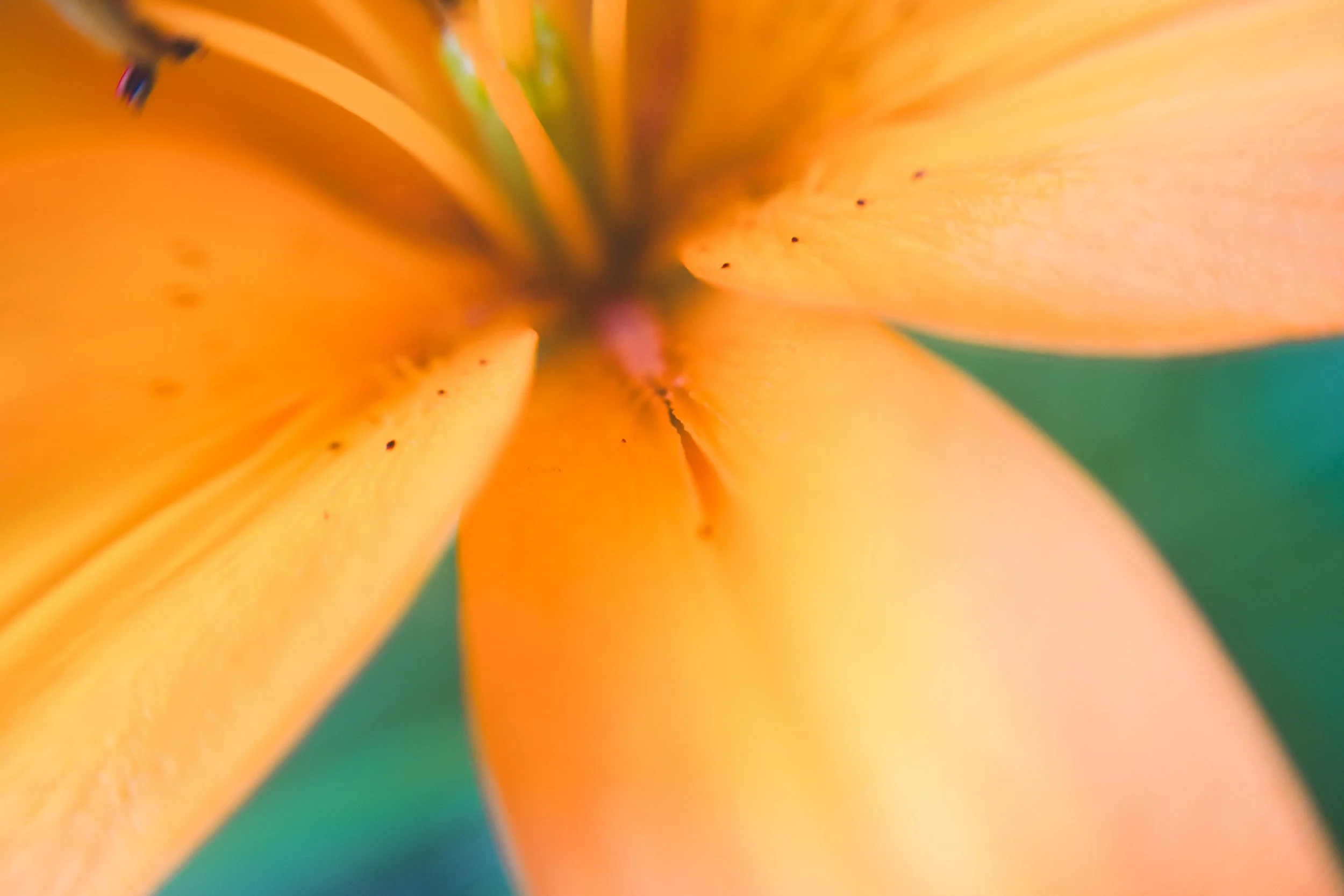
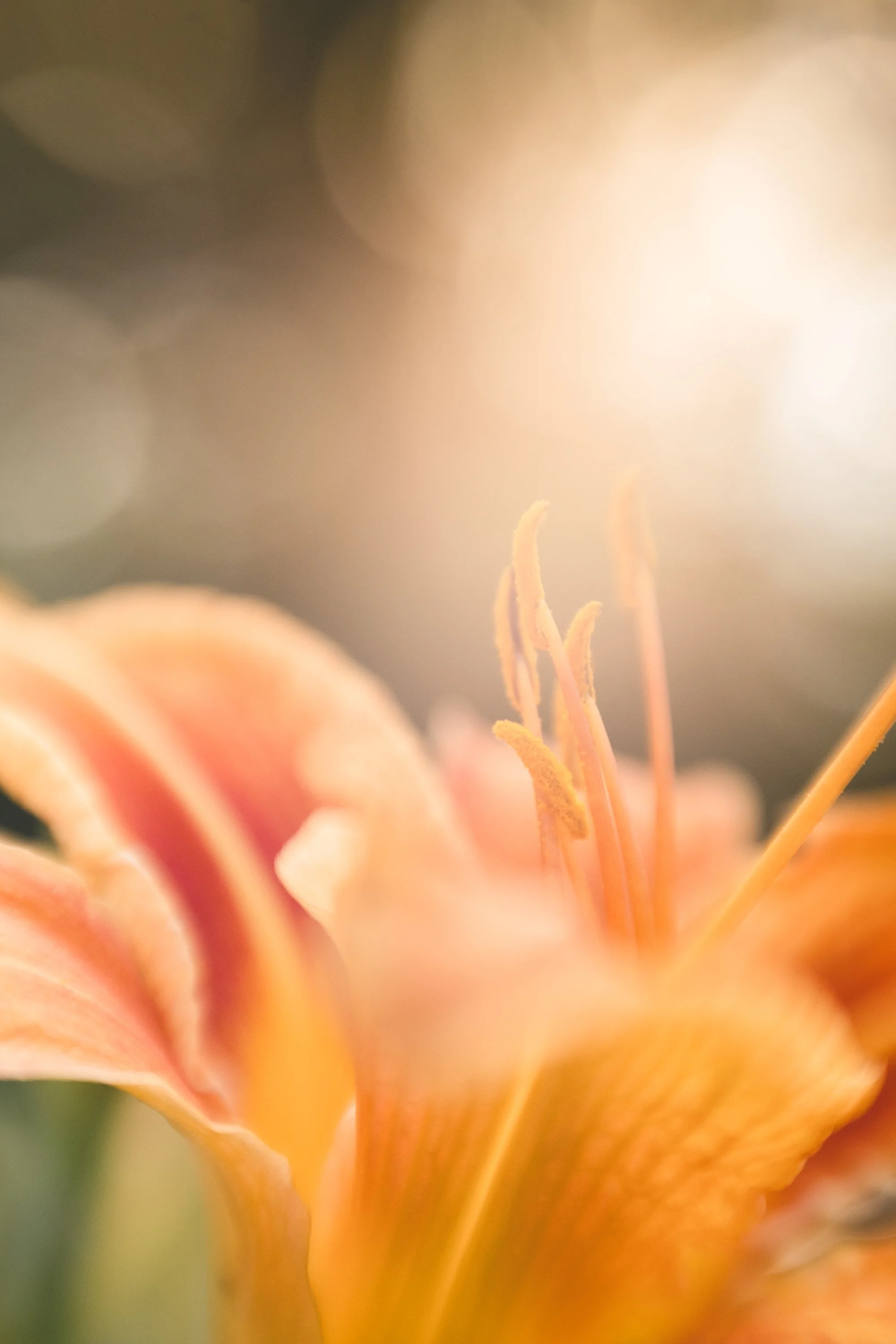
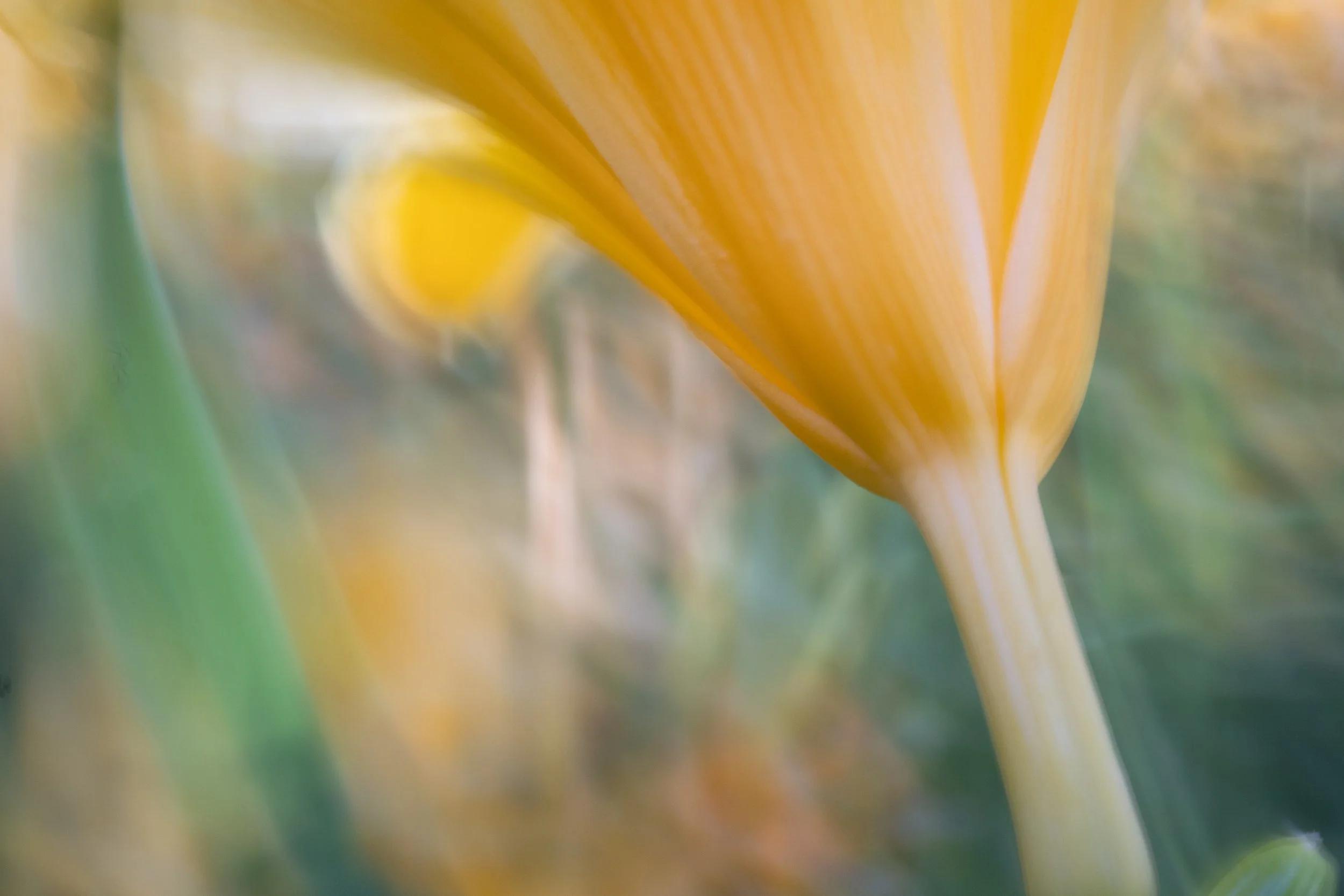
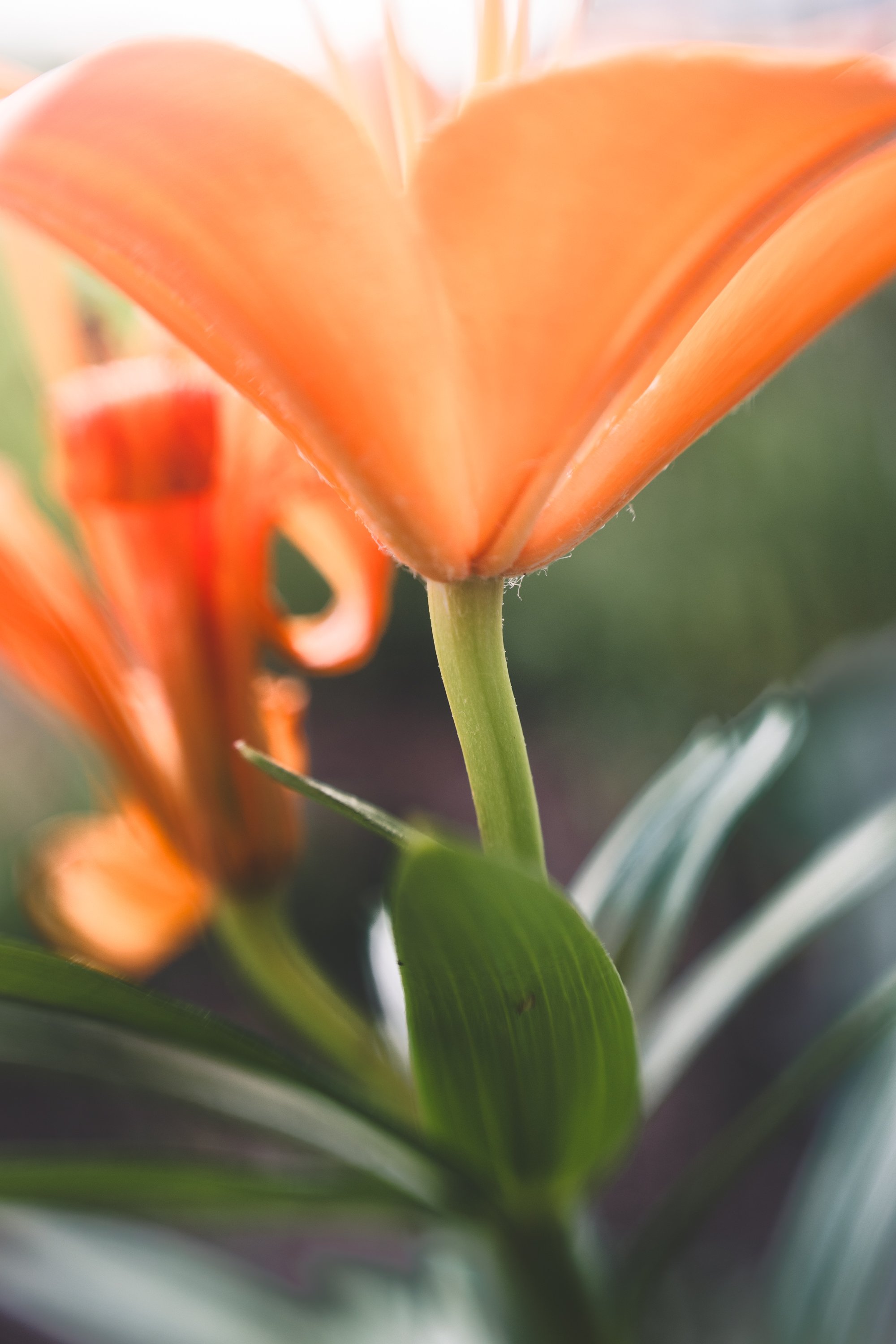
Flowers have the incredible qualities of uniquely beautfiul various parts. Of course, the petals, but what about the pollen and the centers, the stems and leaves? Take some time to observe, examine, and capture different portions of the plant. You may find the shapes surprising!
Perspective
When photographing what’s in bloom try gaining a new perspective. Check out different angles and challenge yourself to branch out of how you would typically approach the flower by getting low or from above, from the side. By switching up your angle you add variety and interest to your storytelling.
Lenses
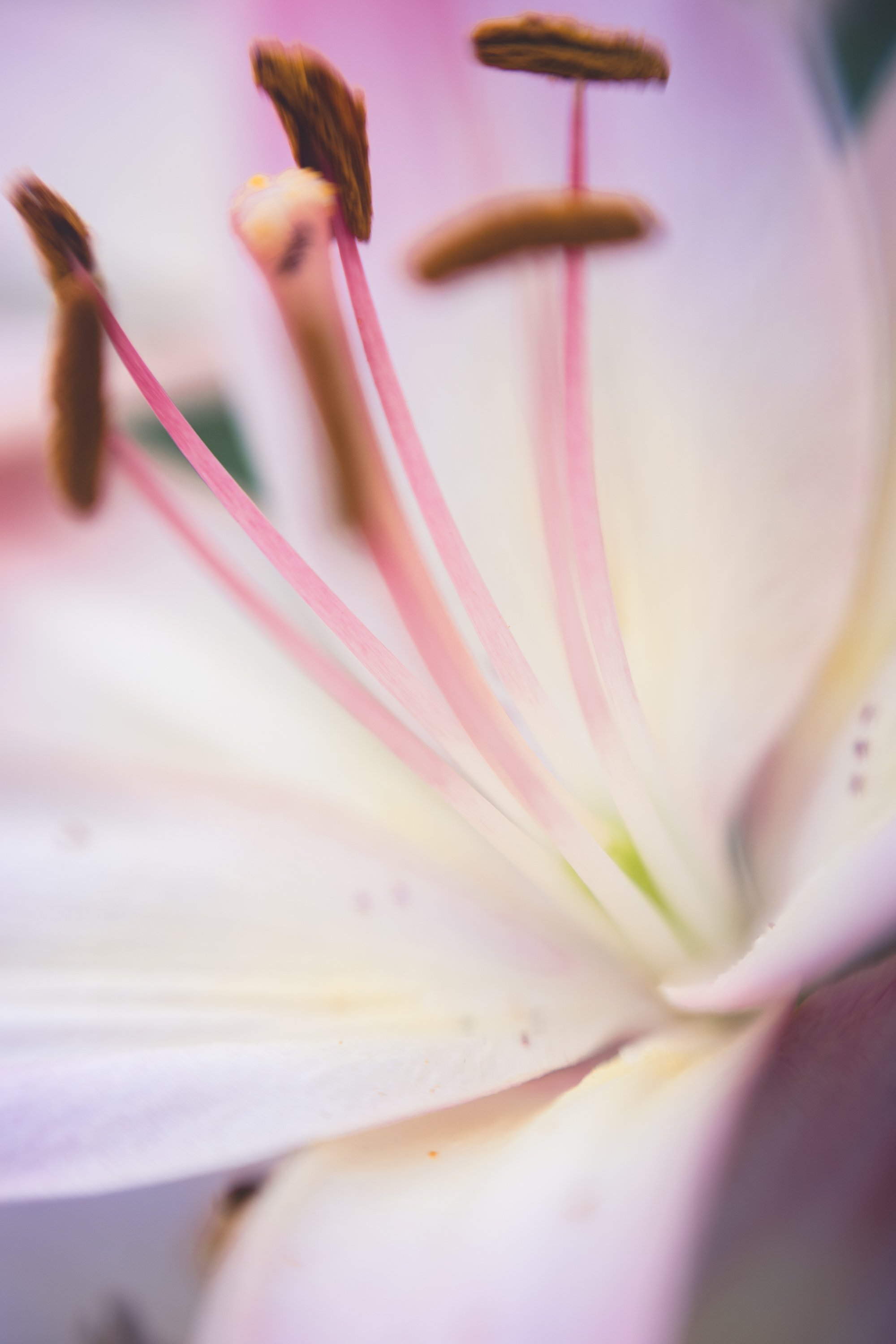
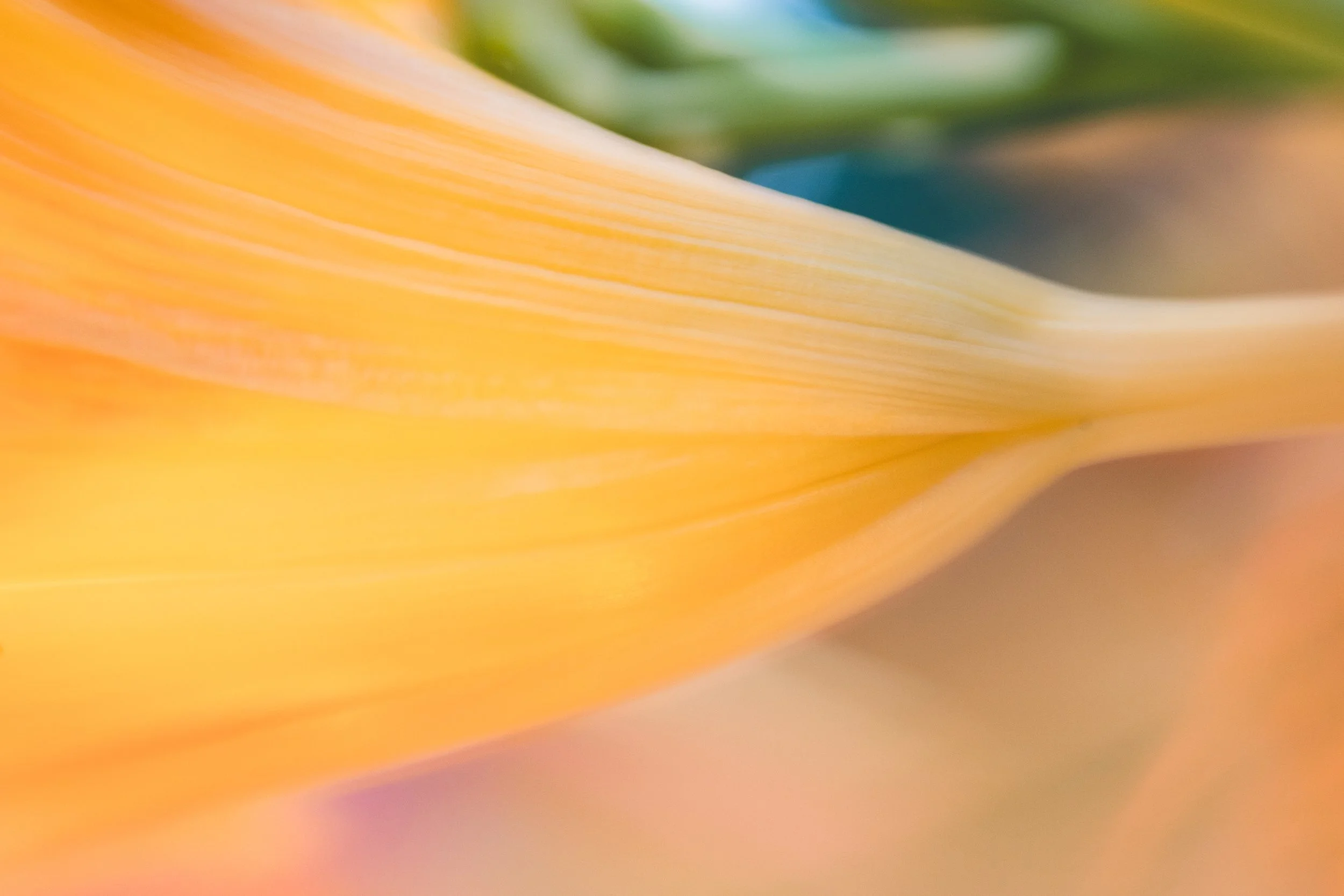
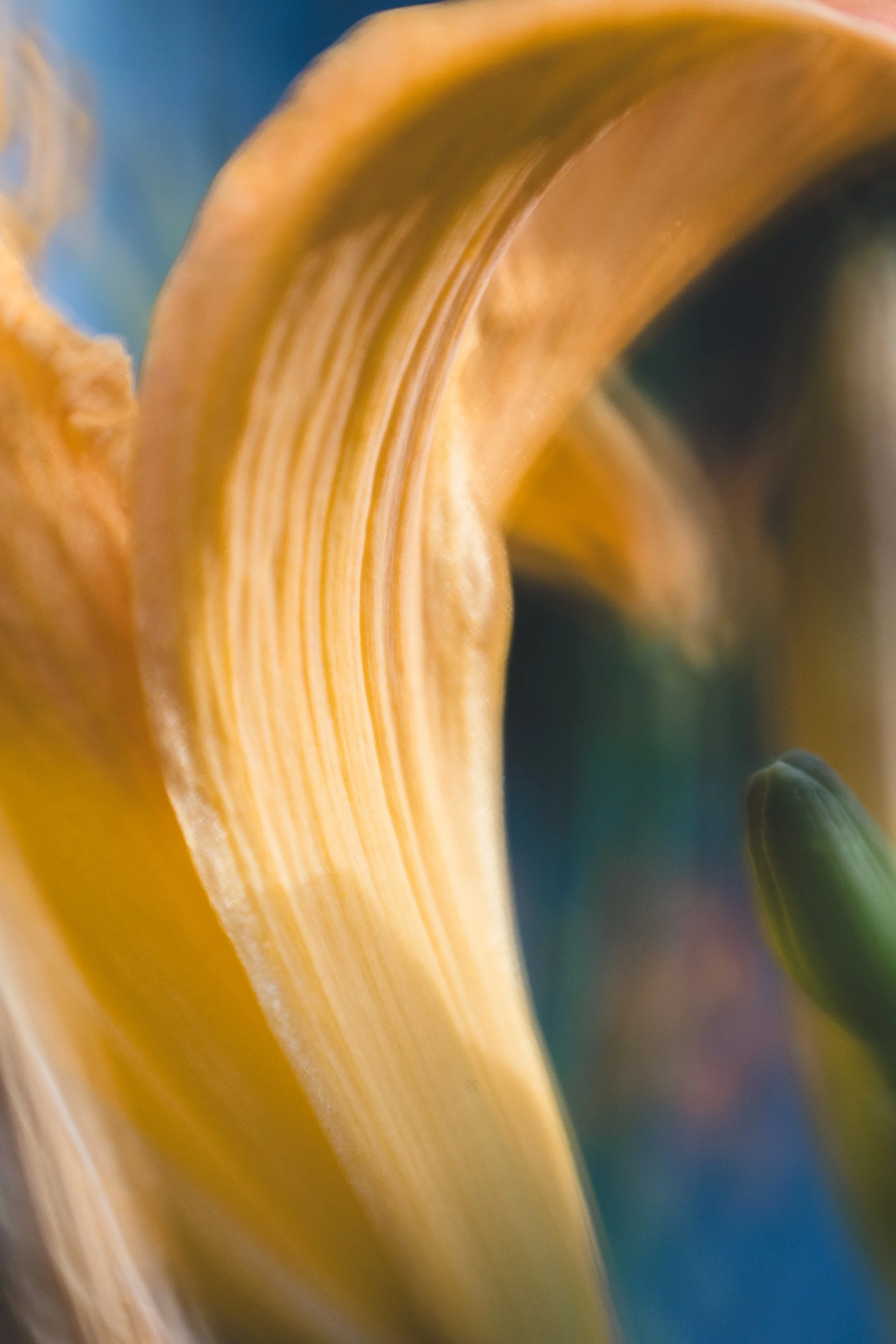
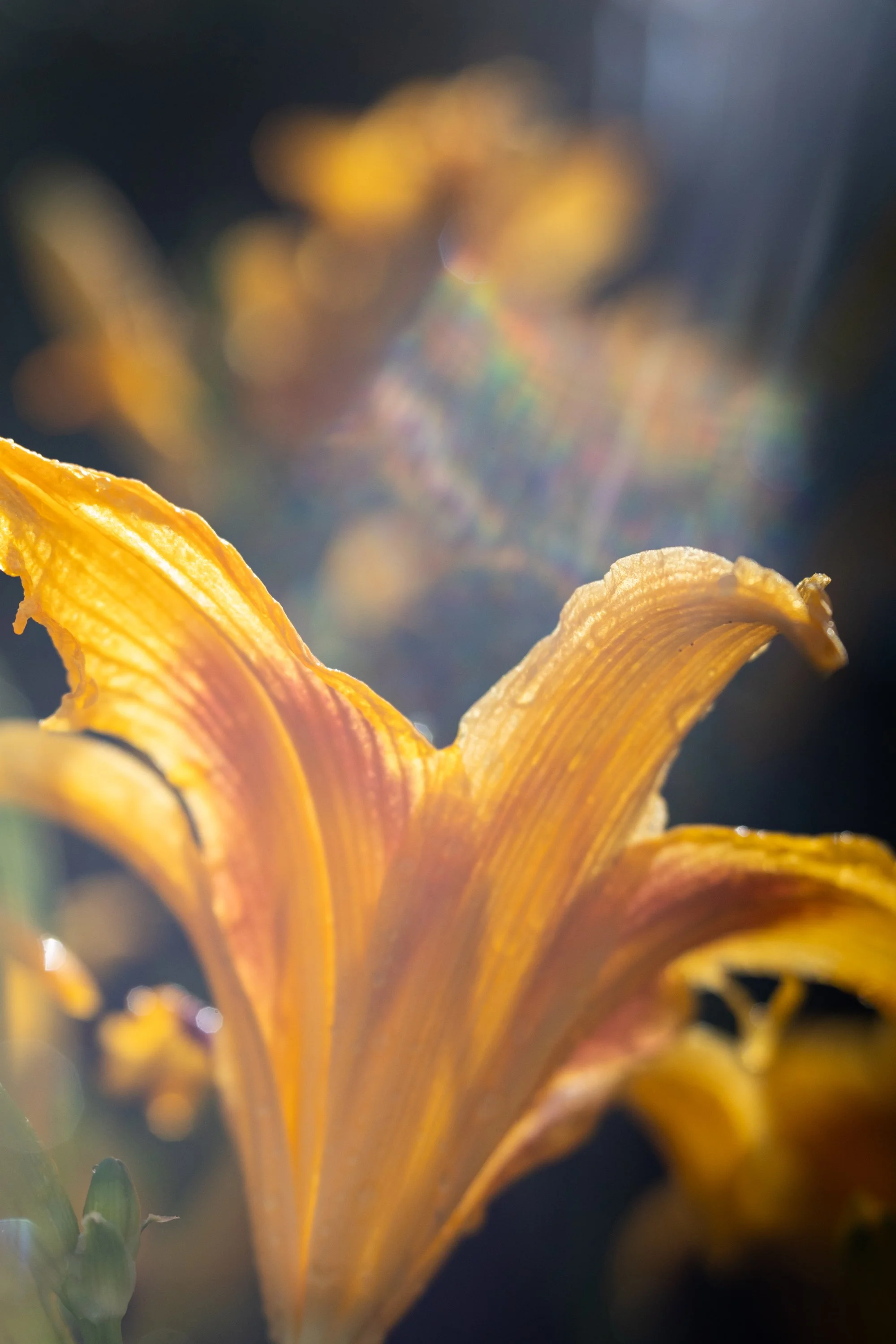
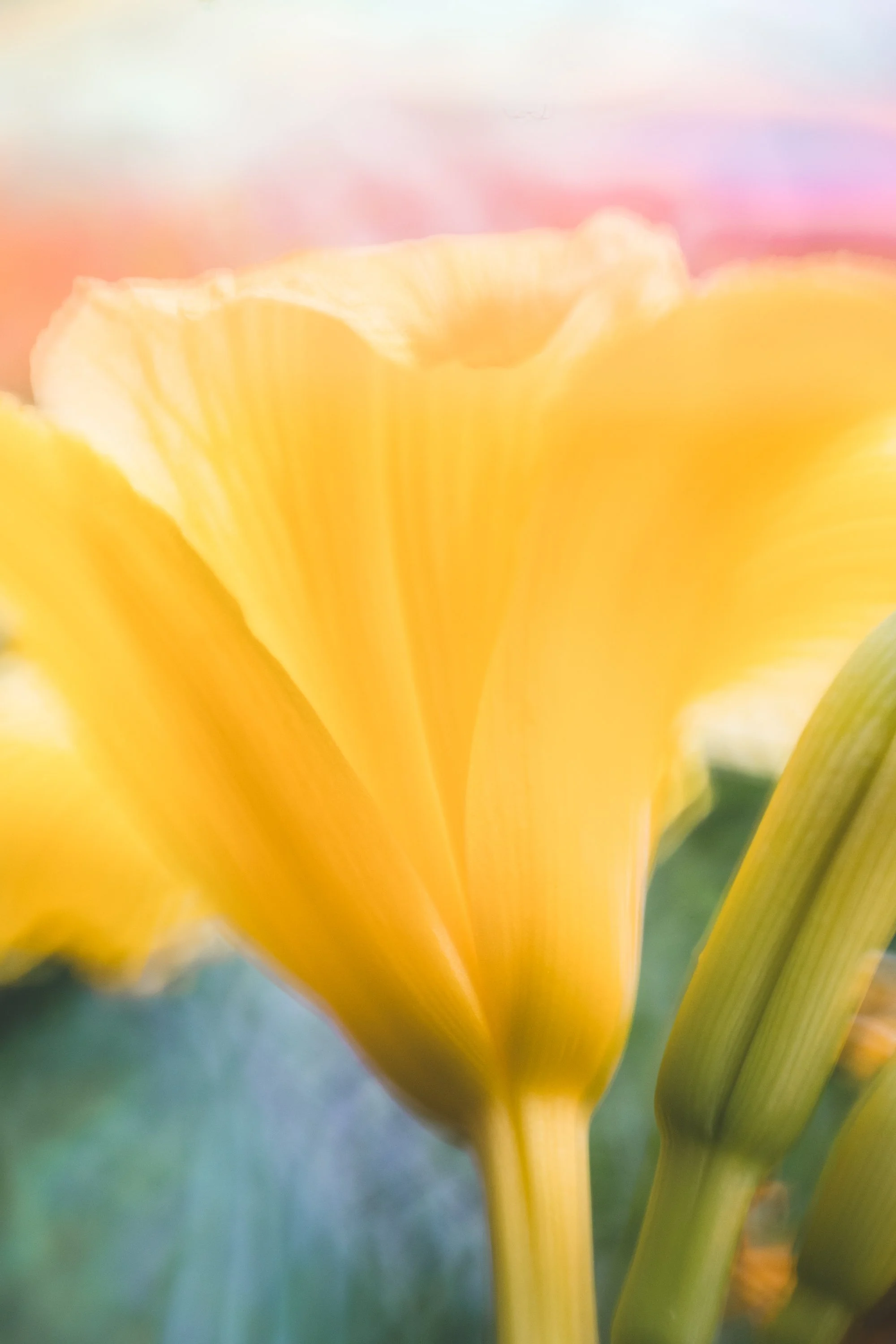
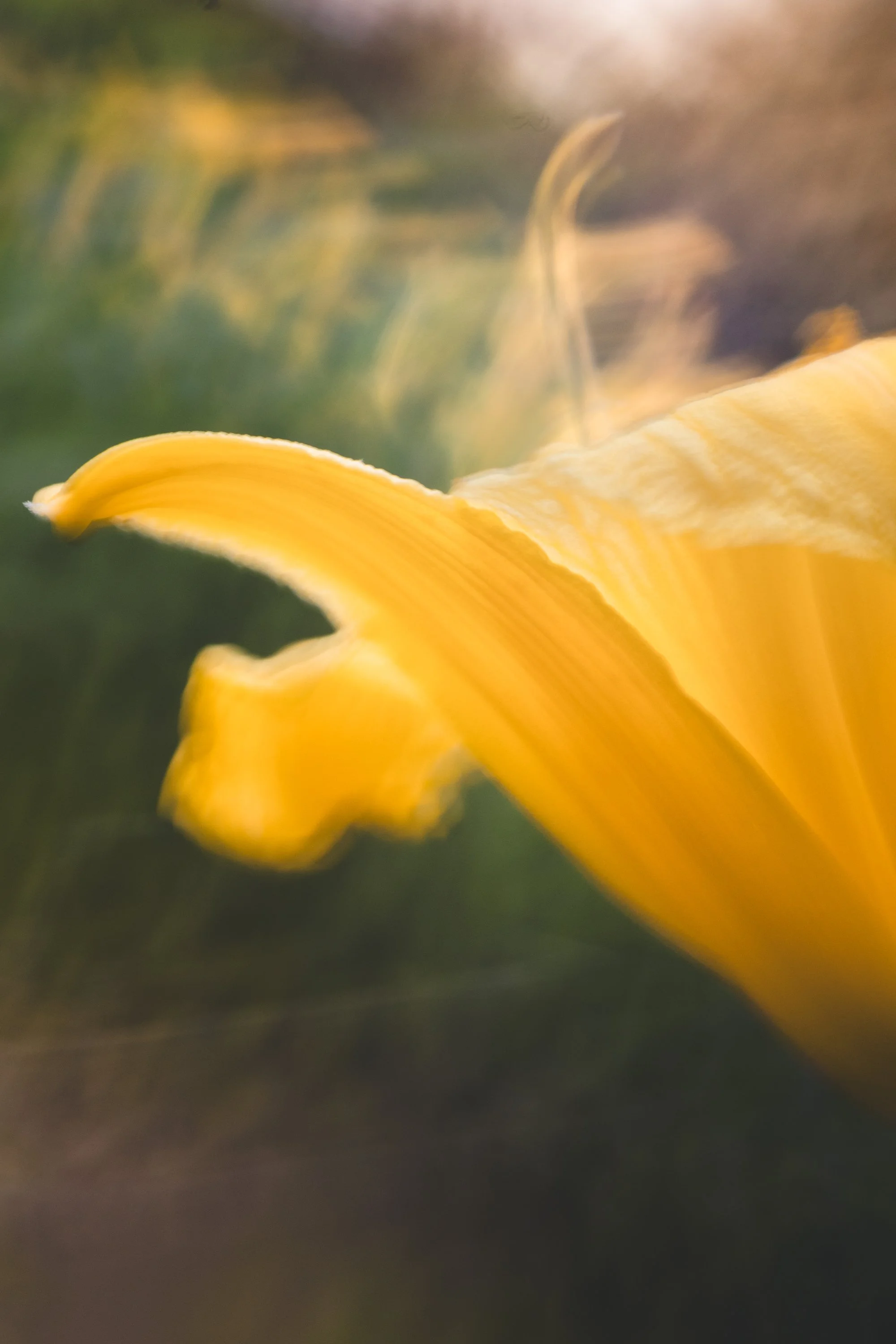
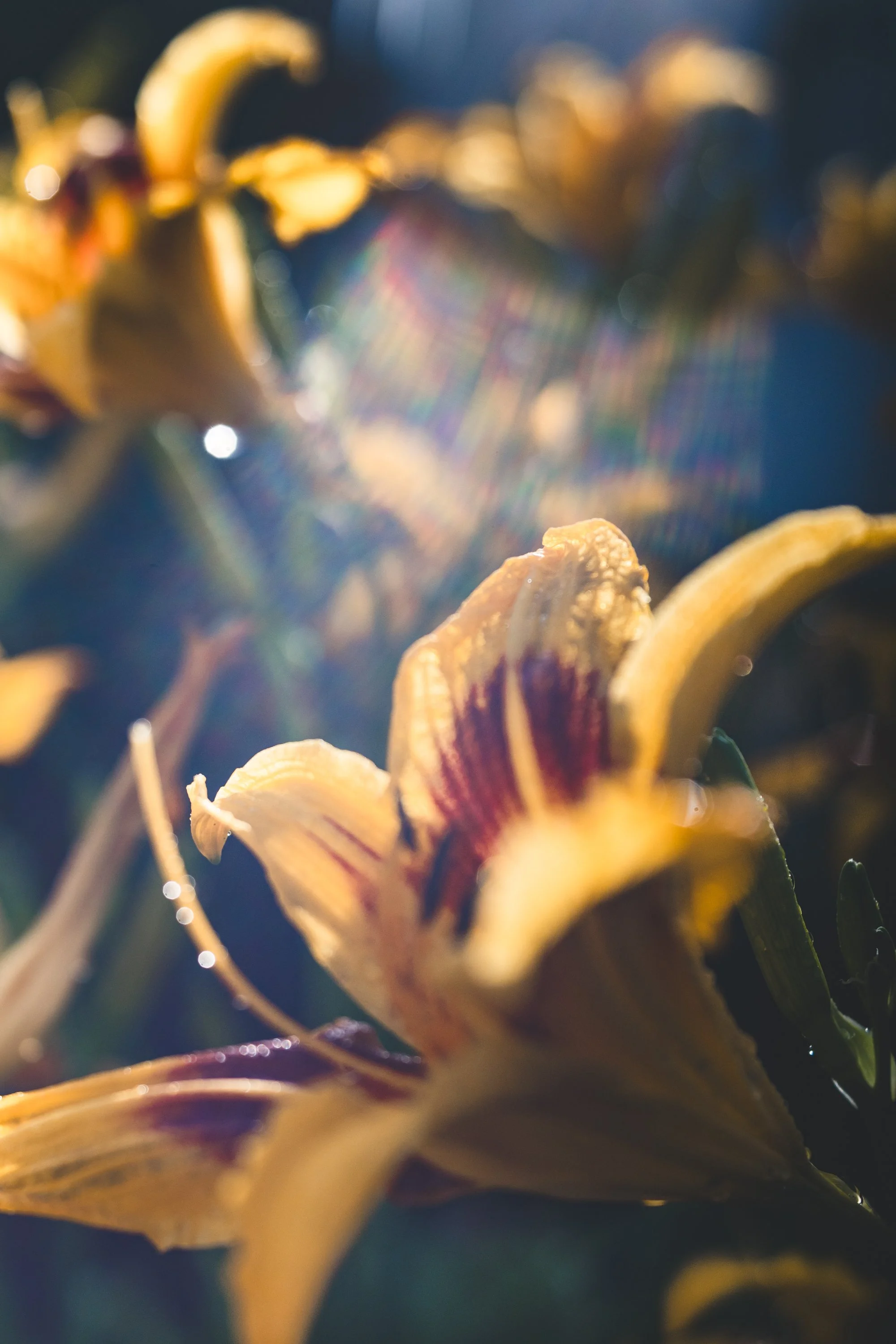
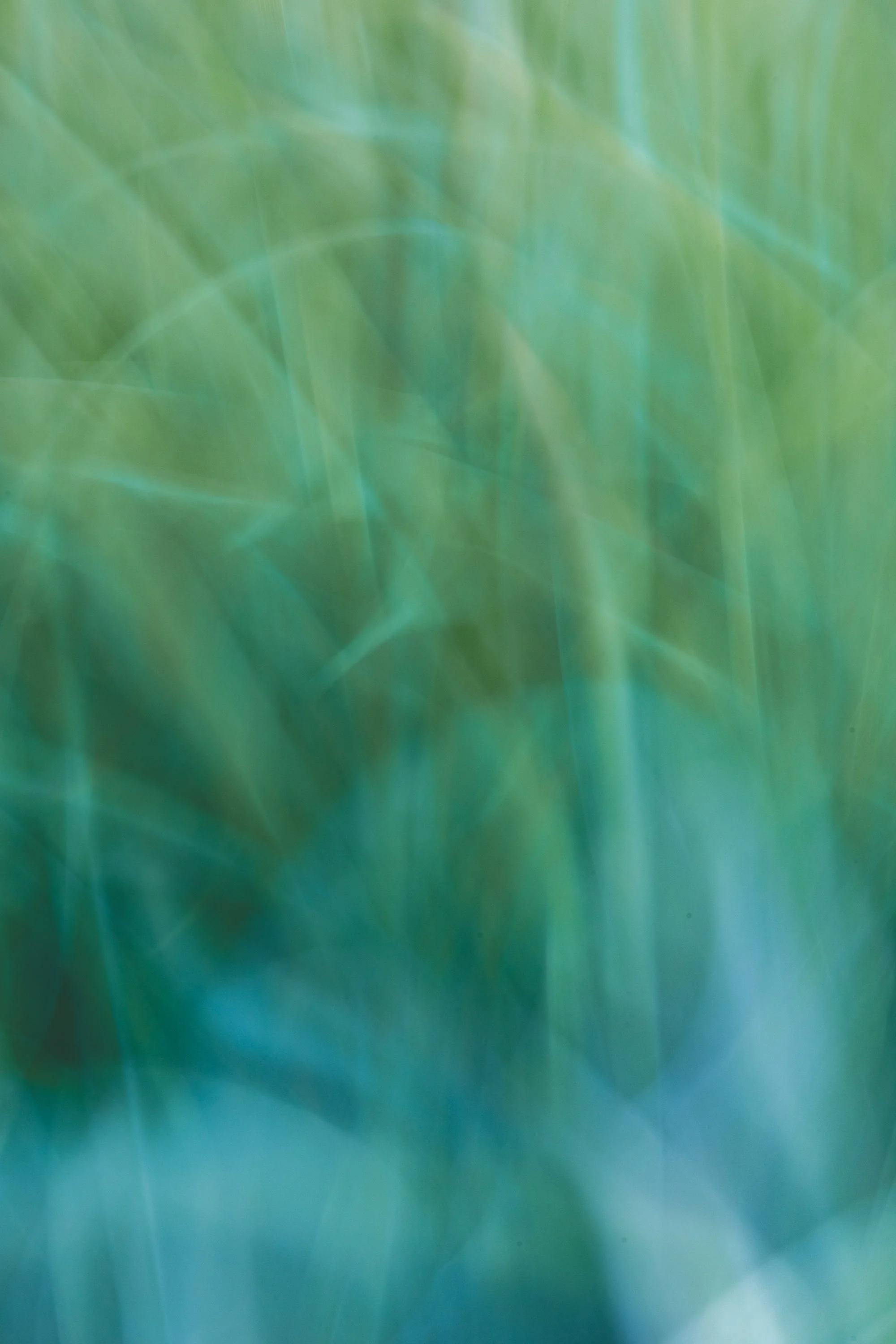
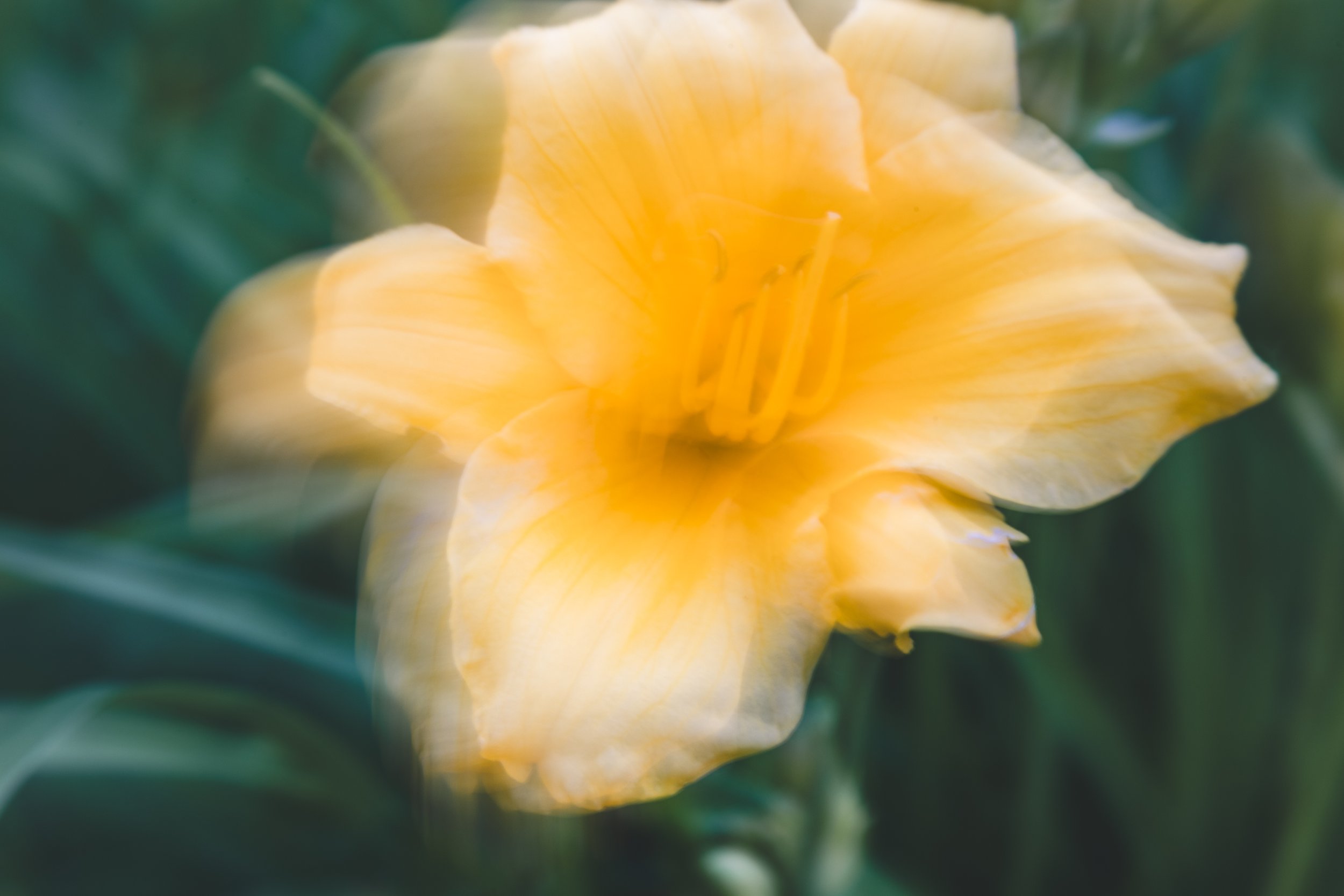
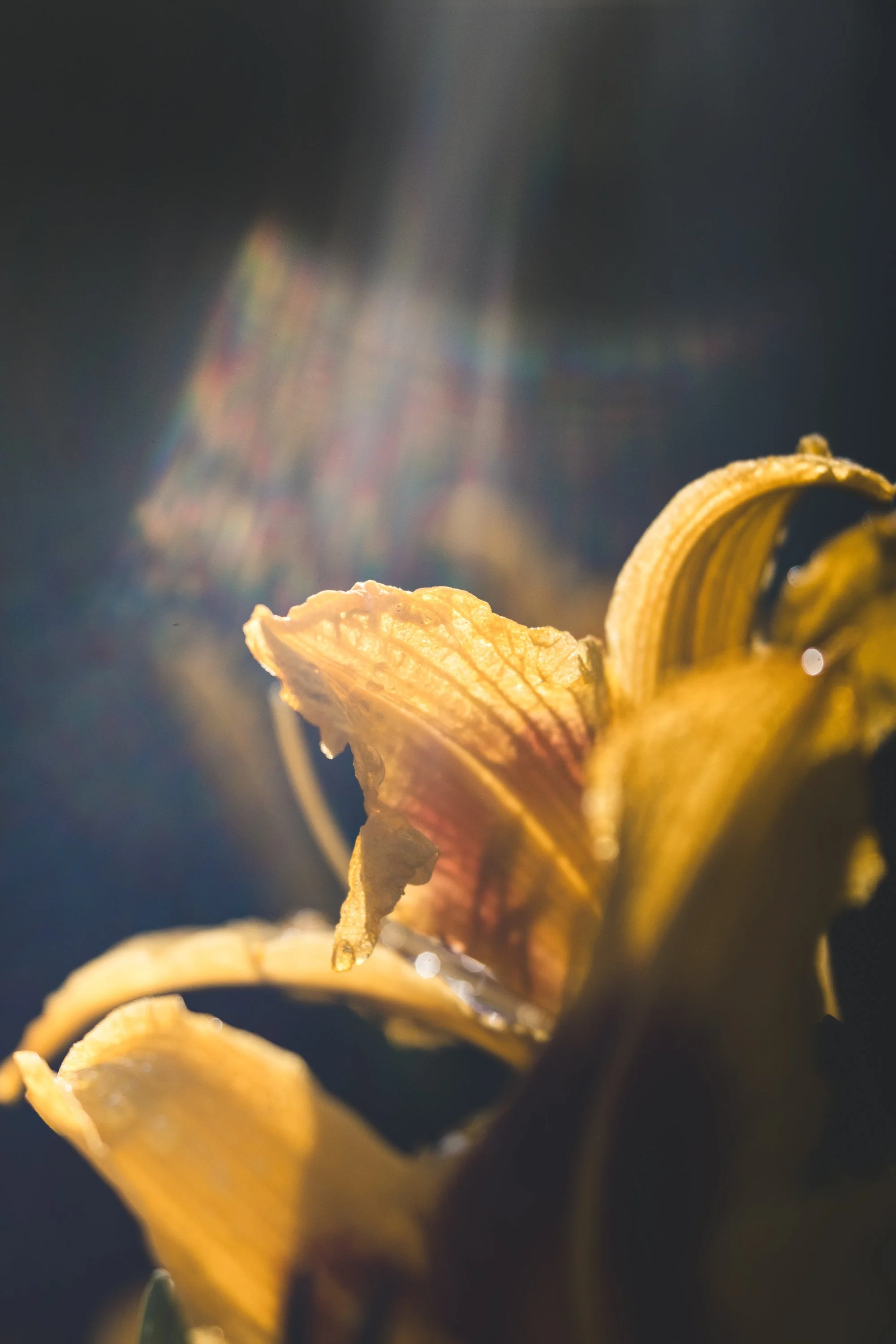
When you’re photographing the gifts nature has offered, consider your lens choice. Through knowing the effects each lens creates and its capacity you are able to expand your creative capturing of the blooms. For example, in the images below I used the Lensbaby Velvet 56 with evening backlight to create rainbow flare, the Lensbaby OMNI films to add a colorful haze, and the Lensbaby Double Glass II to create textured painterly bokeh.
Light
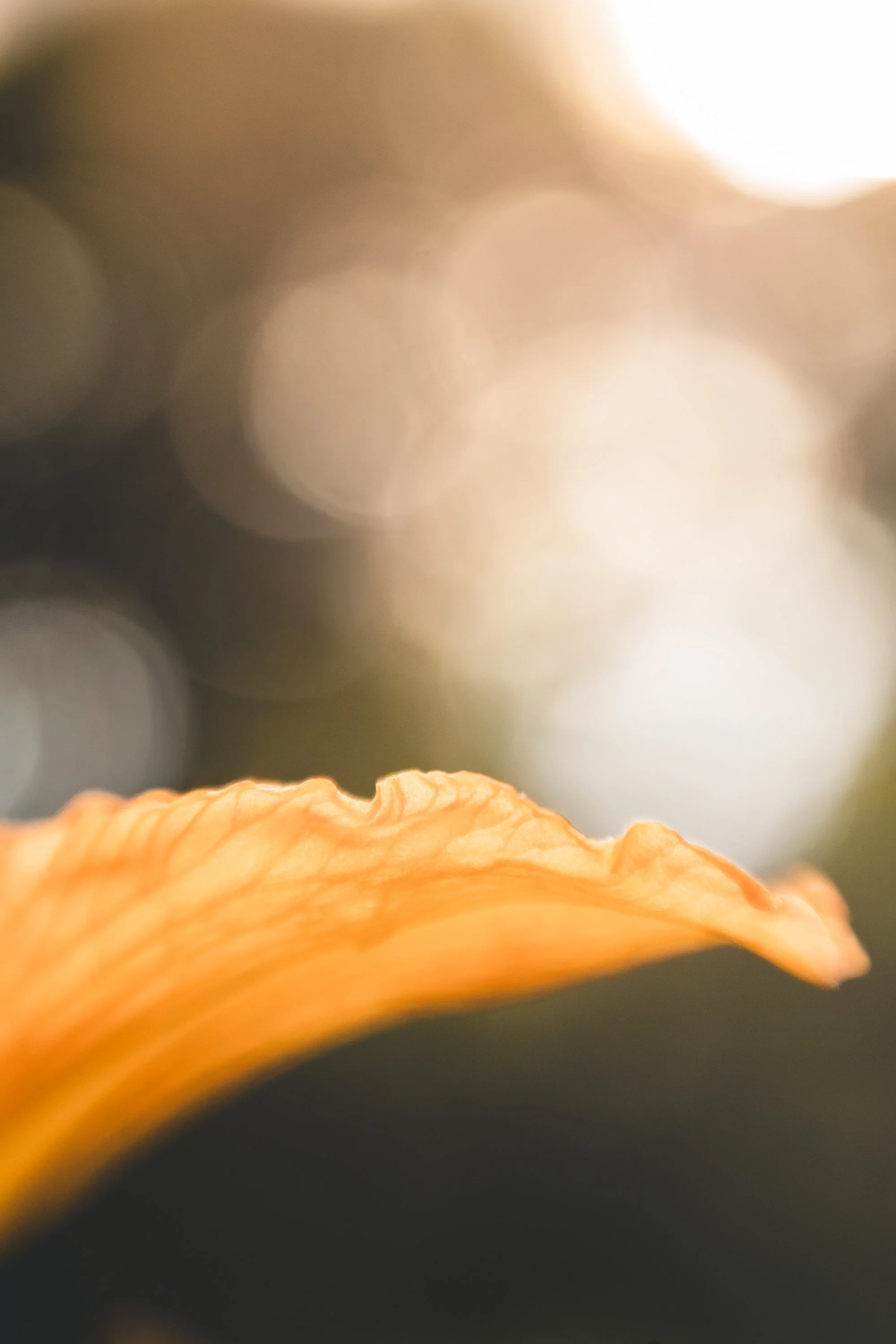
I’ll admit, I tend to photograph at about the same time of day (early evening), however there are certainly creative riches to be discovered by capturing at different times of day in different weather conditions. This year I captured on a sunny afternoon, a cloudy (pre-thunderstorm) evening, and just after a rain. Each offered an energy of its own!
Think Outside the Box
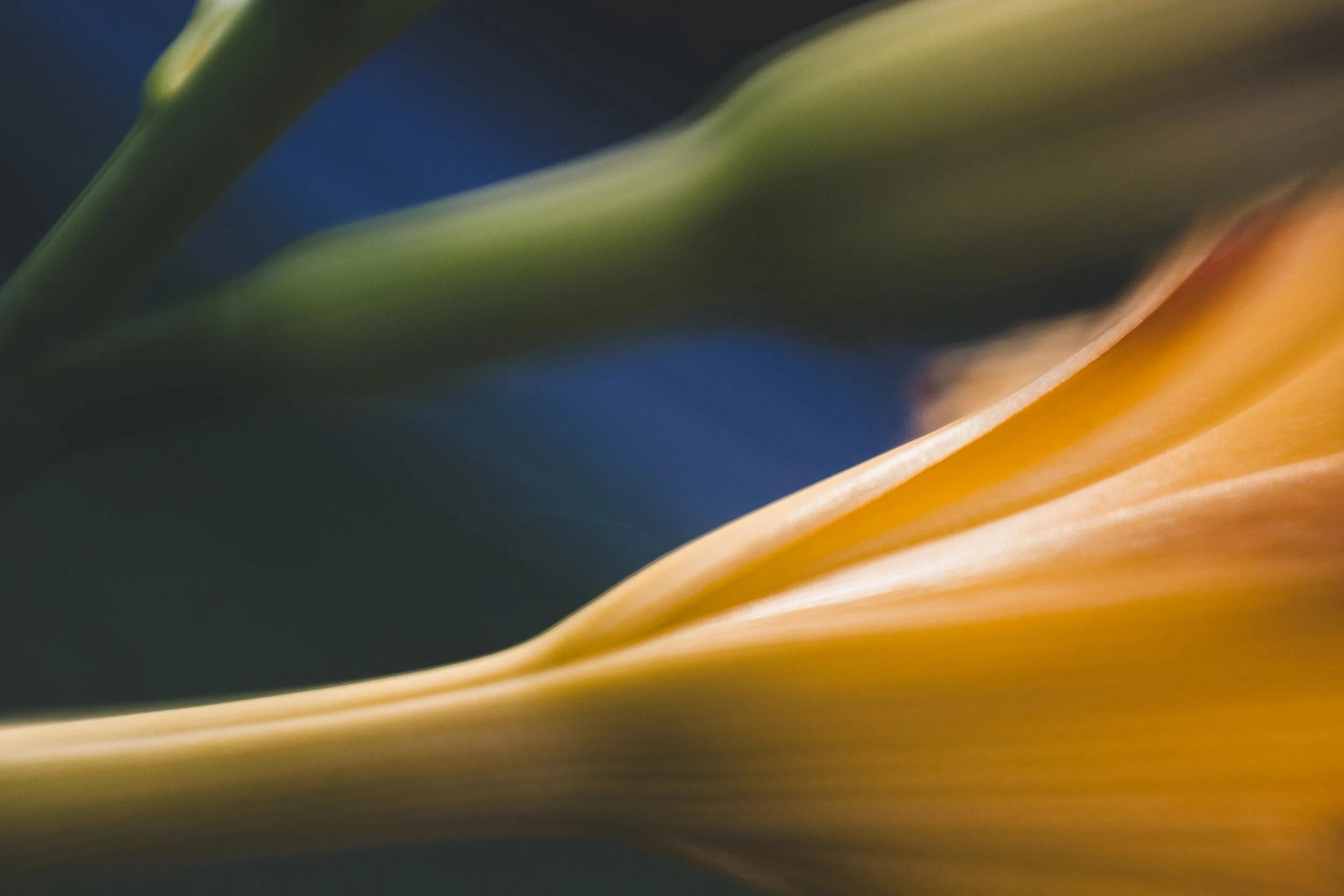
What if you approached your art from a vision of embracing and enacting a new technique? Try a low light situation with a slow shutter while moving your camera to create a sense of movement (Intentional Camera Movement). You can even capture different parts of the plant with this technique (like the leaves in my example!) You can also try to “shoot through” natural or other elements such as adjacent petals, stems, leaves, or flowers to create a sense of depth, mystery and wonder.
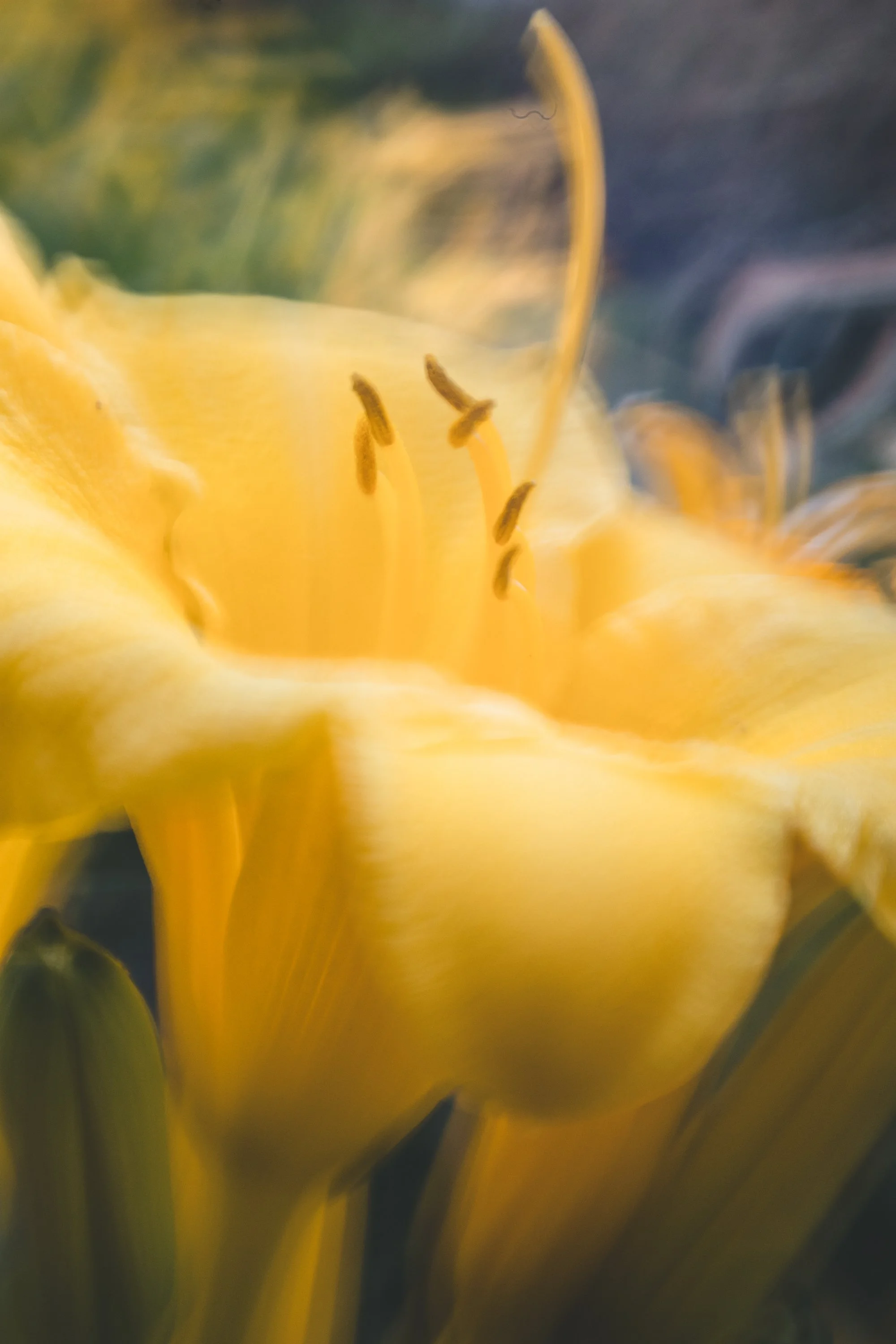
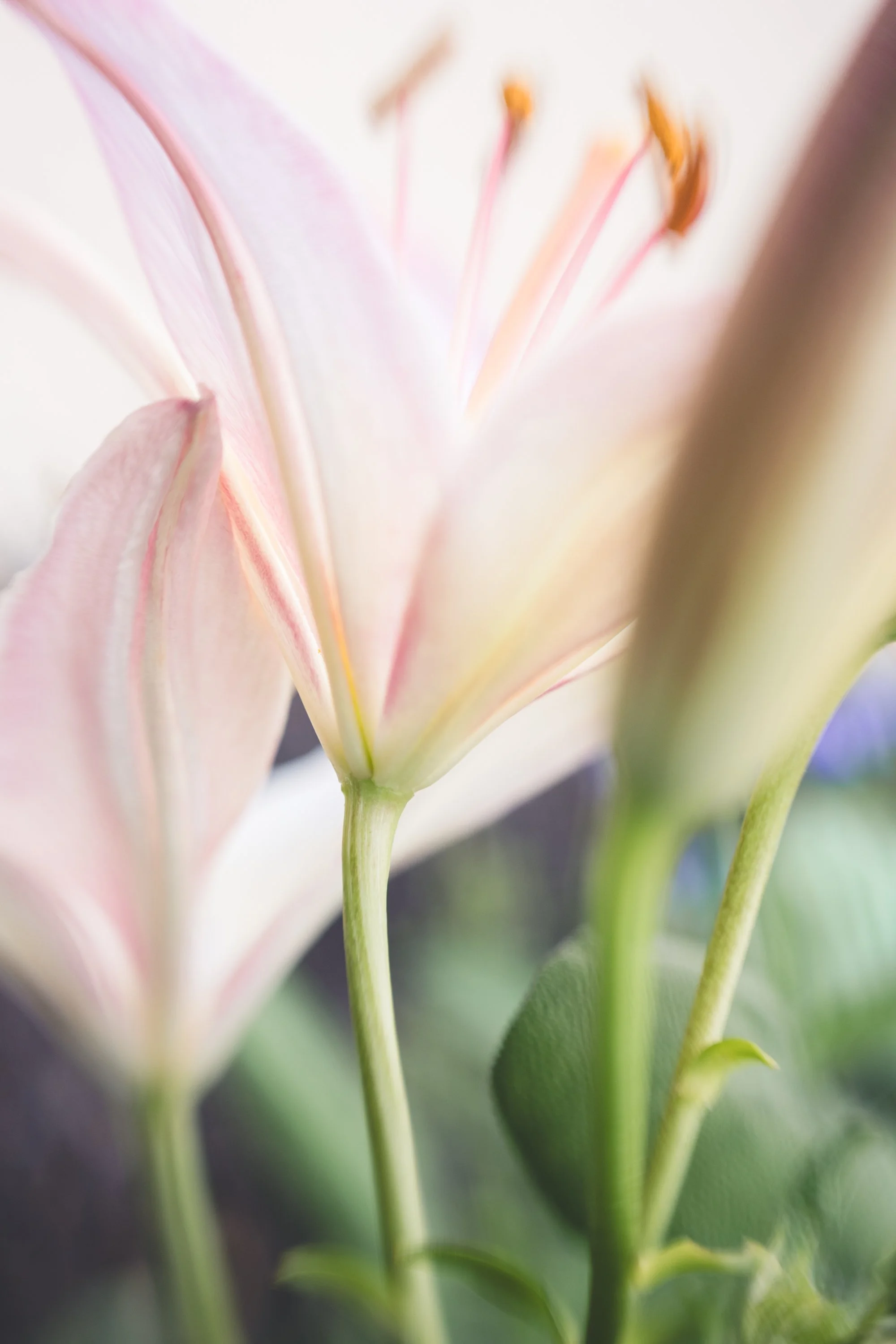
No matter where you find yourself I encourage you to peek outside (or in a greenhouse!) to discover the current growth. As you do, even if it’s not your typical or preferred subject, take a moment to observe, appreciate, and capture in a way that causes your mind to ignite and your spirit to soar.